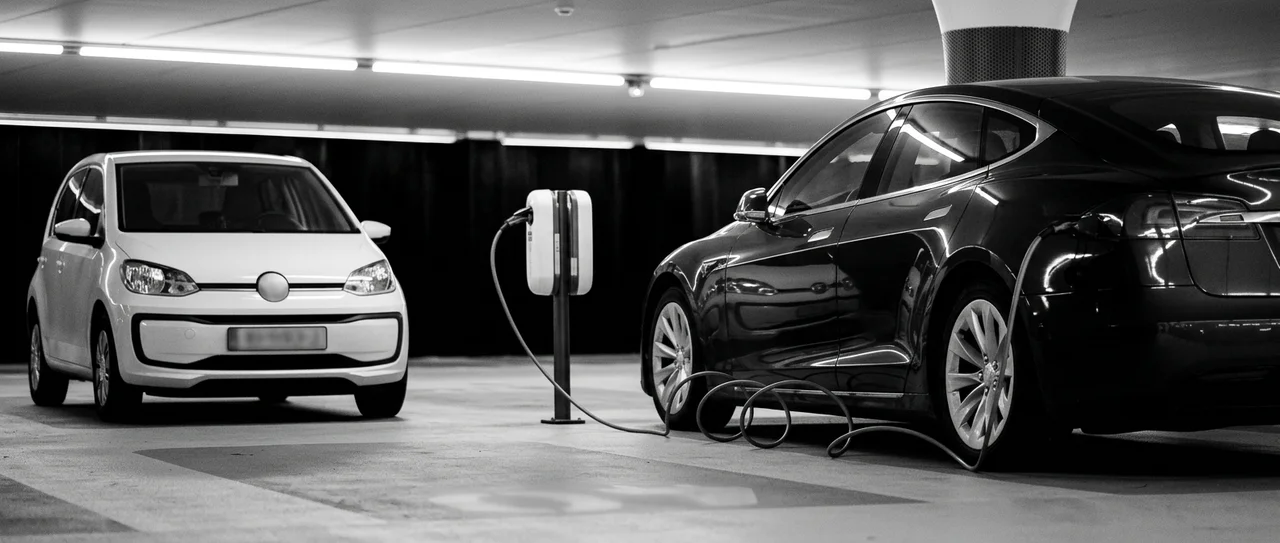
Systems
Infrastructure designed as a system
Chargers, electrical infrastructure and energy components are not independent elements.
Qerra designs, specifies and integrates all components as one working system — aligned with real site conditions, operational requirements and the long-term goals of the business.
Hardware selection is an engineering decision. It determines whether the system will remain reliable as operations evolve.
Infrastructure determines whether a charging system will be reliable over time.
Undersized cables, incompatible hardware, limited service support or unrealistic power assumptions often lead to systems that work well at first but cause problems later.
Qerra assumes engineering responsibility for the entire infrastructure — from power distribution to charger selection.
What we design and deliver
Electrical infrastructure aligned with real grid capacity and the site's future growth
Charger selection based on usage patterns and operational requirements
Cabling, protection and metering designed for real loads
Energy storage integration where needed
Configuration and management through Qerra OS
Testing and commissioning under real operational conditions
Charging scenarios
Different sites and fleets have different charging requirements. Infrastructure choice is therefore driven by how the site is used, not just by charger power:
Suited to locations where vehicles dwell for longer periods — workplace parking, residential locations, overnight fleet charging. Provides reliable charging at lower investment and lower battery stress.
Suited to sites with shorter dwell times and higher usage intensity — mixed-access sites, public access points, service areas.
Used when charging time is critical to operations — logistics centres, transport corridors, bus depots.
The goal is not maximum installed power, but reliable service within the actual grid capacity.
Energy storage integration
When available grid capacity is insufficient to cover peak load, battery systems can provide additional flexibility and stability. Most often used for:
Limiting peak load and making more efficient use of the available power
Grid buffering — charging beyond the grid connection capacity
Storing energy from photovoltaic systems for later vehicle charging
Providing backup power during grid outages
Energy storage systems are sized according to the specific site, the available grid capacity and the operational requirements of the business.
When available grid capacity is insufficient to cover peak load
When peak demand charges have a meaningful impact on operating costs
When the site has a PV system and wants to make the most of the energy it generates
When operational continuity is critical to the business
Engineering parameters
What infrastructure we work with
Power range
7 – 350 kW
AC and DC configurations, from wallbox to fast DC station.
Connectors
Type 2 · CCS2
European standard for AC and DC charging.
Certification
CE · IEC 61851
Equipment compliant with European safety norms.
Partner brands
Vestel · i-charging
Vendor-agnostic — selected to fit the site.
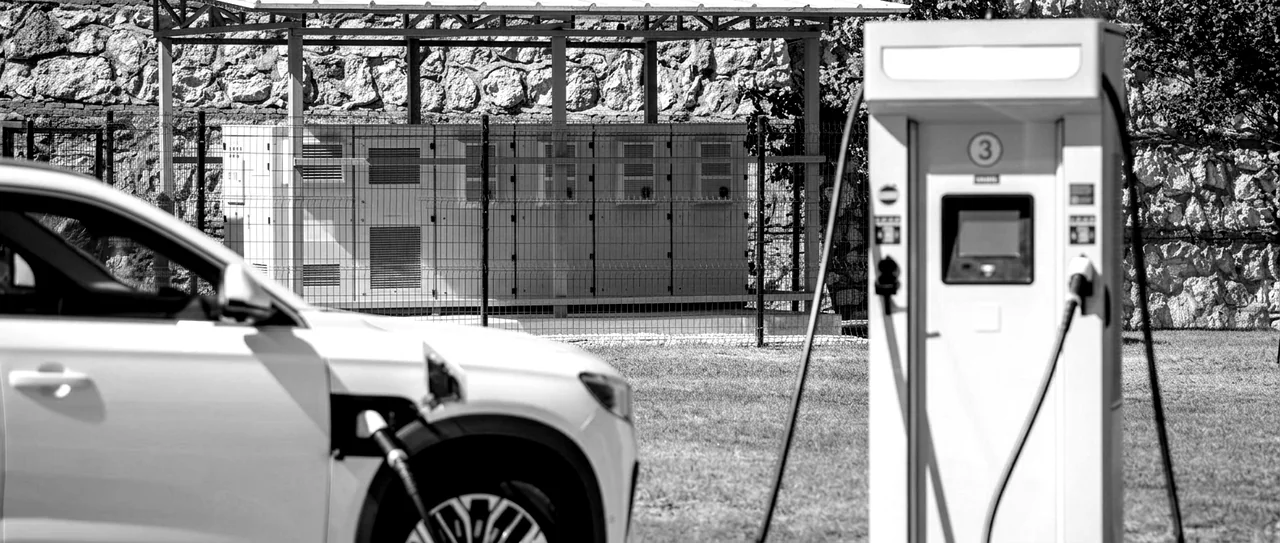
Manufacturer partnerships
Qerra works with manufacturers of charging and energy equipment that have proven their reliability under real conditions. Partnerships are built on:
Proven reliability in real operation
Long-term equipment availability
Service support and spare parts
Protocol compatibility and system integration



Partners will be shown upon finalisation.
Regardless of which manufacturer is chosen, Qerra remains responsible for the operation of the entire system as one whole.
Ongoing reliability
Deploying the infrastructure is only the first step. Long-term reliability is ensured through Qerra Care — continuous monitoring, preventive maintenance and guaranteed response times when needed.
Maintenance and operational reliability with Qerra CareCharging infrastructure is not a one-off purchase. It is a long-term asset and a system decision with long-term consequences.
Designed correctly, it creates the conditions for growth. Designed with compromises, sooner or later it becomes a constraint.