Logistics and delivery — Qerra Technologies
Industries
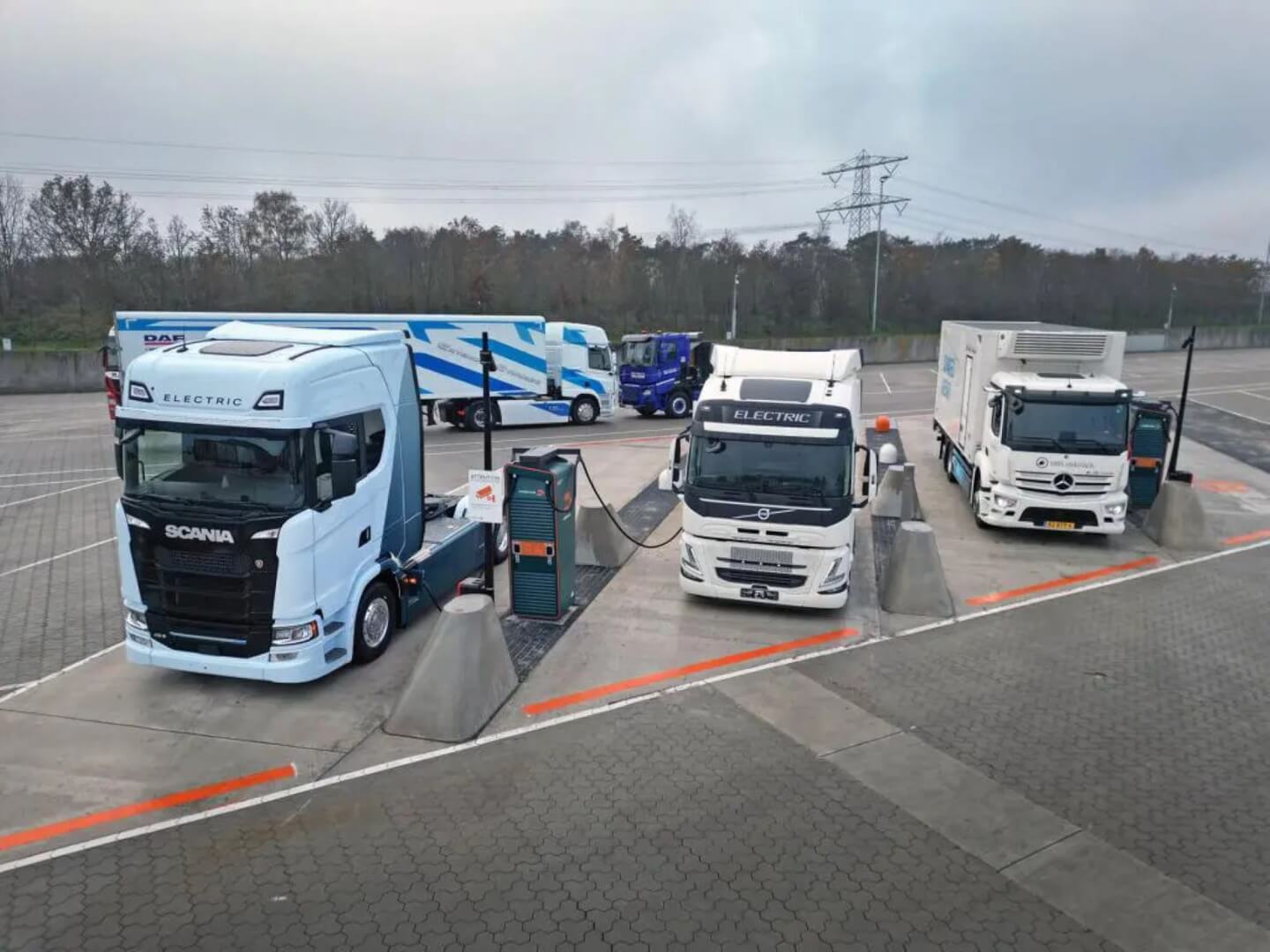
Energy management for predictable logistics operations
Logistics fleets run to a schedule. Vehicles must be ready for their routes at a precise time — regardless of when they return to the depot, how many EVs charge at the same time, or what the grid constraints are.
Charging cannot be a source of uncertainty. It has to function as a predictable, controlled and scalable part of the logistics infrastructure.
The operational reality of logistics fleets
When electrifying logistics fleets, the key constraints are time and available energy, not the number of chargers. Vehicles often return in similar time windows, the charging window is limited, and grid capacity is shared with the rest of the site's loads.
The operational risk is clear: vehicles are not ready for the next run. Reliable electrification requires managing energy, priorities and charging as one system.
Infrastructure constraints
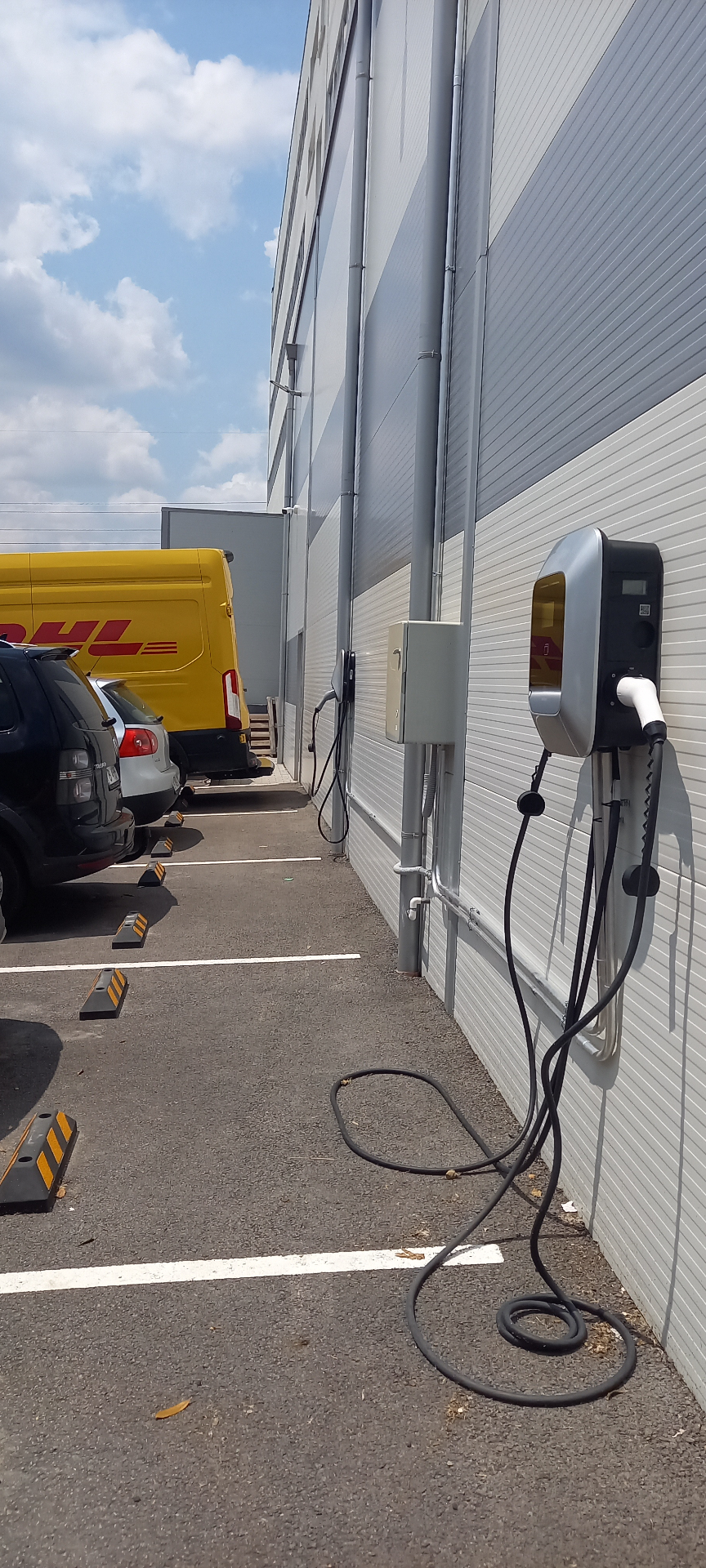
Most logistics depots are not designed for simultaneous high-power charging. Electrification introduces competing electrical loads that expose grid limits.
Without engineering control, operators face delayed departures, unstable charging and forced grid upgrades.
The charging system must operate within the site's real capabilities today, while still enabling future growth.
An engineering approach to logistics charging
Qerra designs charging infrastructure for logistics fleets as a managed energy system, aligned with real routes, schedules and operational requirements.
- Energy control layer: Grid constraints are enforced automatically, and available power is allocated to avoid overloads and disruptions.
- Priorities by operational schedule: Vehicles charge according to schedules and readiness requirements.
- Architecture ready for growth: Expanding the fleet does not destabilise the system.
- Centralised operational visibility: Clear information on fleet readiness, active sessions and the state of the infrastructure.
- Qerra Care: Continuous monitoring and expert support for long-term system reliability.
Typical scenarios for logistics fleet electrification
- Overnight depot charging: Vehicles return after the evening shift, charge overnight and are ready for the morning routes without additional intervention.
- Mid-day top-up: Planned short stops are used for additional fast charging between routes.
- Multi-shift operations: Continuous operation with vehicles and charging points rotated through the day.
- Distributed depots: Multiple locations managed through one system with centralised visibility, reporting and control.
Whatever the scenario, the principle is the same: first manage the available energy, then manage the charging.
Qerra takes responsibility for the entire life cycle of the charging infrastructure:
- Site and grid analysis
- System architecture
- Hardware integration
- Commissioning
- Energy control configuration
- Long-term operational control
One engineering partner with clear responsibility for the entire system.
Operational result
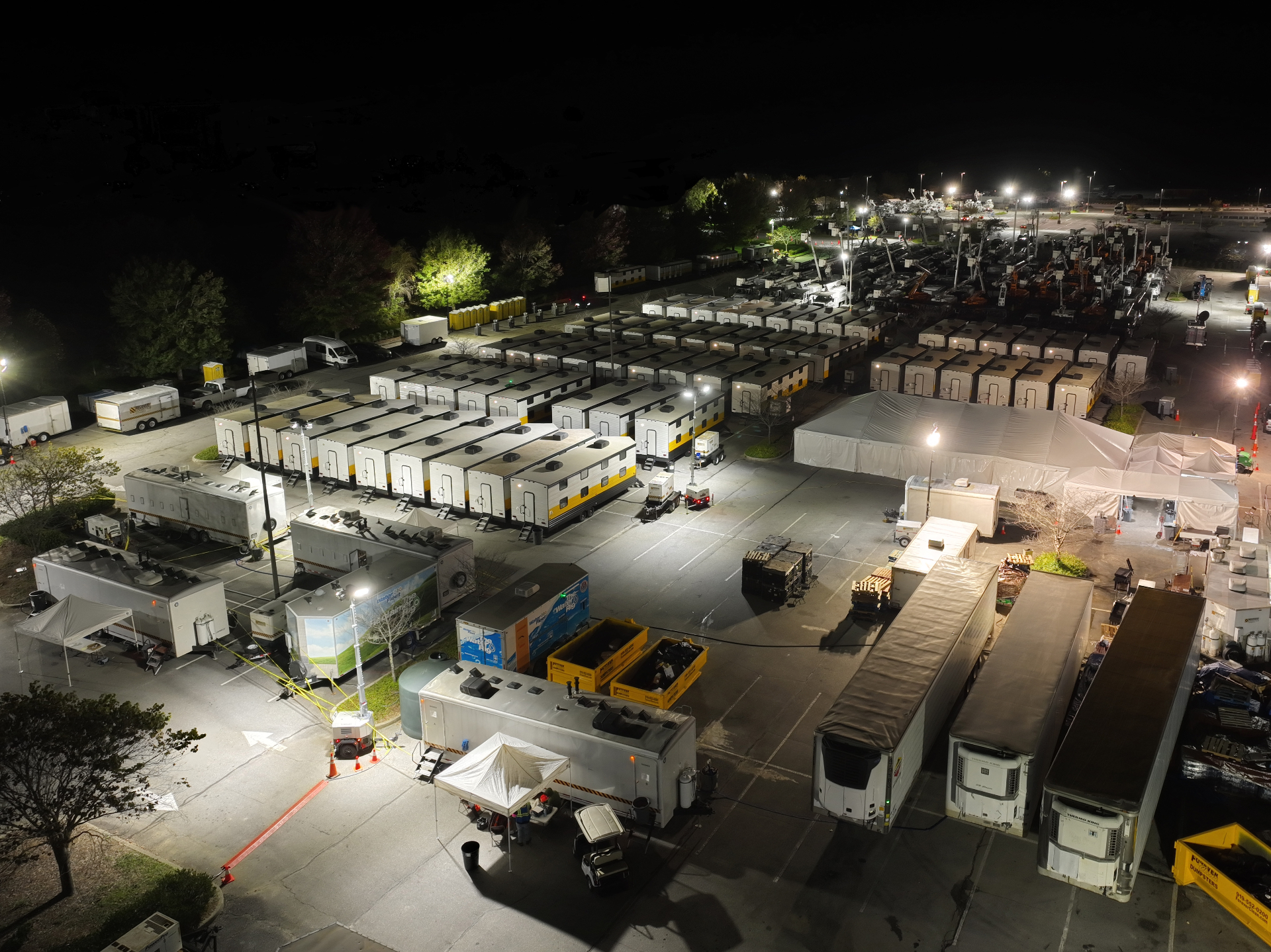
Charging functions as logistics infrastructure:
- Vehicles are ready on time
- Constraints are respected automatically
- Growth without operational disruption
- Predictable system behaviour
Ongoing reliability
Deployment is only the first step. Through Qerra Care we provide continuous monitoring, preventive maintenance and a guaranteed response time, so every location operates to the same standards.
Learn more about Qerra CareEvery site has its own operational constraints. Successful electrification starts with understanding them.